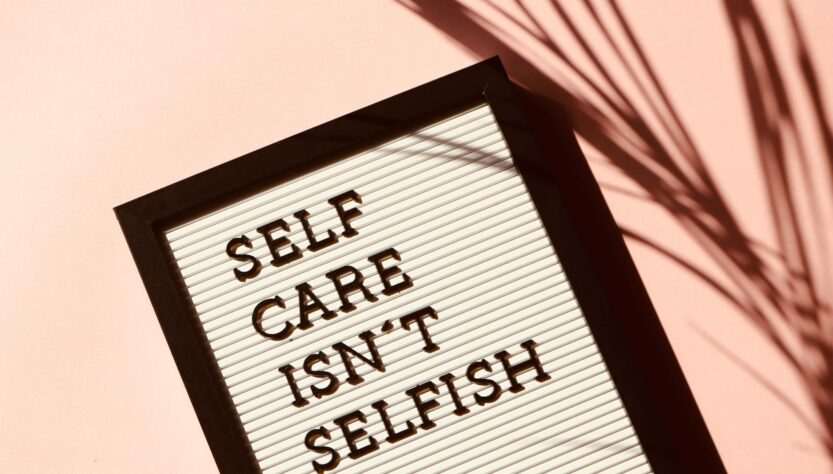
Self-care in 2026 has evolved into something quieter and more intentional. It’s no longer about impulsive treats, spa days, or “just buy the candle” moments. Instead, people are embracing small, sustainable habits—gentle routines, mindful pauses, and organized spaces—that make everyday life feel lighter, calmer, and genuinely more manageable in a lasting, grounded way.
Takeaways
- Daily micro-habits → big emotional wins
- At-home wellness is normal, not a luxury
- Gentle movement beats extreme workouts
- Creative expression resurges as a grounding tool
- Organizing the small stuff (keys, inboxes, routines) reduces mental smog
What’s Trending in 2026
| Trend | Why People Care | Simple Start |
| Micro-Habits | Small actions reduce resistance | 2-minute stretch rule |
| Daily Organizing | Cognitive load is exhausting | Set “reset minutes” |
| Creative Outlets | Emotional release without pressure | One-page doodles |
| At-Home Wellness | Practical + affordable | Breathwork corner |
| Gentle Fitness | Nervous-system friendly | Slow walking |
Digital Wellness Planners, Worksheets, and Keeping It All Organized
A growing number of people are using digital wellness planners for daily check-ins—things like mood logs, gratitude prompts, sleep tracking, therapy homework, and weekly reflections. They often download multiple worksheets from different creators: meditation guides, prompts, habit charts, and monthly check-ins. Instead of juggling dozens of files, many now rely on tools to combine PDF documents. It solves the “Where did I save that?” problem by letting people merge everything into a single, tidy document.
Micro-Habits People Actually Stick To
- Clearing one digital folder per day
- Swapping a scroll break with a short walk
- Drinking water before opening notifications
- Stripping bedtime routines down to two essentials
- Using a single notebook for everything (chaos levels drop fast)
You’ll see these echoed in places like BBC Worklife, small creator newsletters, low-key wellness blogs, and even apps like Daylio and HabitShare.
Other resources gaining popularity include slow-cooking communities, mood-friendly playlists from Calm, home yoga routines from DoYogaWithMe, and sensory-friendly workspace ideas from Apartment Therapy.
FAQ: Modern Self-Care
Q: Why are people ditching the “treat yourself” mindset?
A: Because it doesn’t solve the underlying overwhelm. Sustainable routines feel more stabilizing.
Q: Is this shift expensive?
A: Not really—most habits (morning sunlight, stretching, journaling) cost nothing.
Q: Does gentle fitness actually help?
A: Yes. Low-impact movement reduces stress hormones and supports consistency long-term.
Q: What about digital burnout?
A: Organizing your digital environment—files, calendars, notifications—counts as self-care now.
How to Build a Routine You Won’t Abandon
- Pick one anchor habit. Something micro, like wiping your workspace nightly.
- Tie two supportive habits to it. Example: wipe desk → fill water bottle → prep tomorrow’s clothes.
- Choose a creative vent. Could be journaling, photography, or doodling.
- Add one body habit. A slow walk, a mobility video, or ten deep breaths.
- Set a friction-removal ritual. Weekly quick clean, inbox sweep, or meal pre-slots.
- Review weekly. What lowered stress? What drained you? Adjust quickly.
Spotlight on a Self-Care Helper
Featured Tool: The Full Focus Journal
People in 2026 love bundling mood notes, plans, reflections, and small habit tracking into one physical book. The appeal of the Full Focus Journal: low pressure, high organization, and no need for extra apps. It’s a favorite among those blending creativity with structure.
Why This Era of Self-Care Feels Different
It’s the first time in years where the emphasis isn’t glamor, perfect morning routines, or a pressure to be endlessly optimized. People are discovering that small kindnesses to your future self—micro-habits, gentle structure, creative time—produce the biggest returns.
Combine that with the normalization of at-home wellness setups, creative micro-moments, mindful organization, and low-arousal fitness, and you end up with a quieter, steadier form of self-support.
Conclusion
Self-care in 2026 isn’t about indulgence but sustainable infrastructure: tiny, repeatable habits, gentle movement, creative expression, and simple organization. It’s built on steadiness, not escape—less treating yourself, more caring for yourself daily. The real victory isn’t in one perfect moment but in the quiet, continuous momentum it creates.
_________________________________________
Today’s post is a special guest post by Jennifer Scott the founder of the online community Spiritfinder where she offers a safe space to discuss and destigmatise mental health.

